Concrete Floor Coating for Worn or Cracked Floors
Request an estimate from a local provider
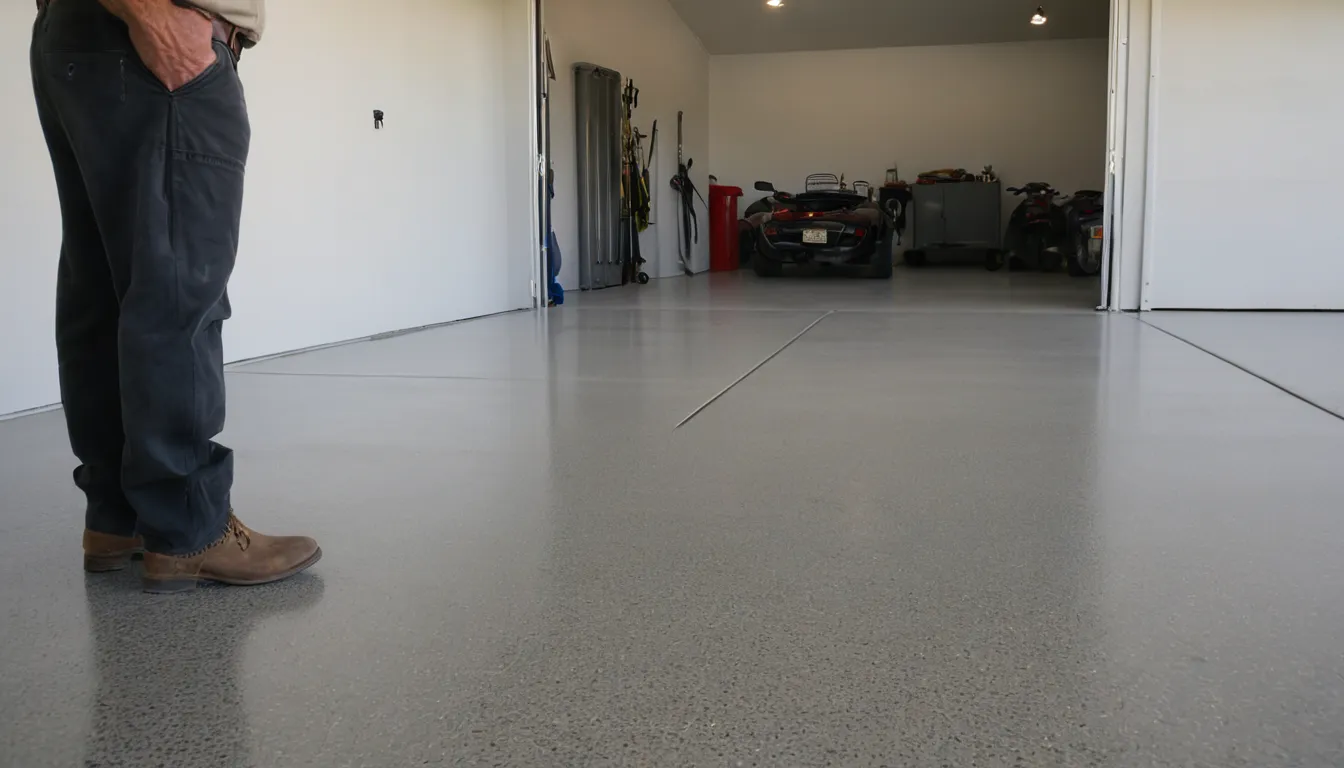
Concrete floor coating is a protective layer applied over a bare slab. It helps resist stains, moisture, dust and daily wear. A local provider cleans the concrete, fixes small flaws, and applies the coating in layers.
Processingmore Floor Coating is a referral service. We do not do the work. We connect homeowners in the Antioch area with independent providers in our network. Many homes here sit on older slabs. Dry seasons, winter rain and years of use take a toll. Small cracks first. Catch them early and the job stays smaller.
Check the slab first
Walk your floor this weekend. Look down. Run a hand across it. Concrete gives warnings long before it fails. Most people miss them because the floor is always there.
A coating performs well on a slab that is still sound. Wait too long and the job grows. Early looks keep it simple.
Early signs to look for
Here is what to check. None of it takes tools.
Hairline cracks
Thin cracks are common. Many are cosmetic. But they let in water and dirt. After winter rain events, a crack can widen. Note where it runs and whether it grows. Show it to a provider.
A chalky or dusty surface
Drag a dark shoe across the slab. If pale dust comes up, the top layer is breaking down. Dust also tracks into the house. A coating can seal that in once the surface is prepared.
Peeling or flaking patches
Peeling near the door is a classic sign. An old paint or coating is letting go. The cause is often moisture or poor prep. A provider should find the cause before putting anything new down.
Stains that keep coming back
Oil, rust and damp spots that return point to a porous slab. Wiping does not fix that. Sealing the surface can help.
Why waiting costs more
Small problems grow. A hairline crack becomes a gap. A flaking patch spreads. Water gets under the edges and lifts more of the floor. Repairs before coating add time and cost.
Fixing it early means less patching. It also means fewer days of disruption. That matters for a busy home.
Concrete coating vs. sealer
A sealer soaks into the slab. It is thin. It slows stains and dust. It is fine for light-use floors.
A coating sits on top. It is thicker. It adds color, grip and a harder shell. It handles more traffic and more spills.
Need help choosing? A provider can look at the slab and tell you which one fits. Custom floor finishes, such as flakes or solid colors, are usually part of that talk.
Where concrete coating fits
The same slab can sit in many parts of a home. Each spot has its own needs.
Basements and laundry rooms
Damp is the big question. Check for white powder on the slab, a musty smell or damp patches. Tell the provider. They may test moisture first. Some coatings handle moisture better than others.
Patios, porches and walkways
Outdoor slabs face sun, rain and foot traffic. Mild coastal temperatures are easier on them. Hot dry stretches are harder. Ask about slip resistance and UV-stable products. Wet steps can be slick.
Workshops and garages
Tools drop. Chemicals spill. Cars drip. Many providers in our network handle epoxy garage floors as well as other concrete coating work. Ask which system suits your use.
Some providers also handle other flooring, such as hardwood flooring installation inside the home. Ask if you want one visit to cover more than one room.
Plan around life
You have school runs, work shifts and maybe one parking spot. Say so up front. A good provider can plan around it.
Here are things to settle early:
- Which rooms or areas get done first
- Where the car and bikes go while the floor cures
- When the family needs the space back
- How pets and kids stay clear
How the work goes
The order is simple. First, the provider inspects the slab. Next comes cleaning and grinding to open the surface. Cracks and chips get filled. Then the coating goes on in layers. Some systems add a clear topcoat.
Cure time depends on the product. Ask for a schedule in writing. Weather matters too. Cool, damp days slow curing. Smoke seasons can mean closed windows and different timing.
Living with the new floor
Care is easy. Sweep often. Mop with mild cleaner. Wipe spills. Use mats under tires and heavy tools.
Avoid harsh scrubbing pads. Check the floor each season. Look at the edges and doorways. Spot trouble early, and a touch-up stays small.
Questions to ask the provider
Write these down before the visit:
- What prep will the slab get?
- Will you test for moisture?
- What product is used, and how thick?
- How long until I can walk and park on it?
- What does the warranty cover, in writing?
- What is the full price, and what is extra?
Providers set their own terms. Get everything on paper.
Ready to look at your slab?
If you see cracks, dust or peeling, act soon. Request a callback to check provider availability in Antioch.
What's Included
Slab inspection and testing
The provider checks cracks, dust, moisture and flaking before suggesting any coating.
Surface preparation
Grinding and cleaning open the concrete so the coating can bond. Small cracks and chips get filled.
Coating application
The coating goes on in layers, with color flakes or a clear topcoat if you choose.
Cure and care guidance
The provider explains cure time and how to clean the finished floor so it lasts.
Typical concrete coating price ranges
Prices vary by size, slab condition, product and region. These are typical U.S. ranges only. Providers set their own rates, so get a written quote that lists prep, materials and any extras.
| Item | Typical range | Notes |
|---|---|---|
| Basic concrete sealer | $1 – $3 per sq ft | Thin layer; lighter use areas |
| Standard coating system | $3 – $8 per sq ft | Common for garages and basements |
| Premium or decorative finish | $7 – $14 per sq ft | Flakes, metallics or custom colors |
| Crack and chip filling | $150 – $800 | Depends on how many cracks and how wide |
| Old coating removal | $1 – $4 per sq ft | Needed when old paint or coating peels |
| Moisture testing or barrier | $100 – $600 | More common in basements |
How It Works
Spot the signs
Check your slab for cracks, dust, peeling and stains. Take a few photos to share with the provider.
Request an estimate
Use the form, or request a callback to check provider availability in your area.
Review the written quote
Compare prep, product, timing and price. Ask questions before you agree.
Schedule around your week
Pick dates that suit your family, then follow the provider's cure guidance.
Why Call Processingmore Floor Coating
Plain talk, no pressure
We explain the signs and options simply, then you decide whether to request an estimate.
Independent providers
Providers in our network are local businesses that do the work and set their own terms.
Fits busy households
Tell the provider your schedule and parking limits so the plan works around your week.
No obligation
Requesting an estimate costs you nothing to ask about, and you can decline any quote.
Other Services
Need concrete floor coating in Antioch?
Cracked, dusty or peeling floor? Send a request through the form, or request a callback to check provider availability in Antioch.
No obligationConcrete Floor Coating FAQ
How do I know if my concrete floor needs a coating?
Look for hairline cracks, chalky dust, peeling patches and stains that return. Any of these suggest the surface is wearing. A provider can inspect the slab and tell you if coating makes sense.
Is concrete coating the same as sealing?
No. A sealer soaks in and is thin. A coating sits on top, is thicker and handles more wear. A provider can advise which one suits your floor and how you use it.
How long does concrete floor coating take?
It depends on the product, slab condition and weather. Many jobs take a few days including cure time. Ask the provider for a written schedule so you can plan around your household.
Reach a local provider
Cracked, dusty or peeling floor? Send a request through the form, or request a callback to check provider availability in Antioch.
No obligation