Polyaspartic Floor Coating
Request an estimate from a local provider
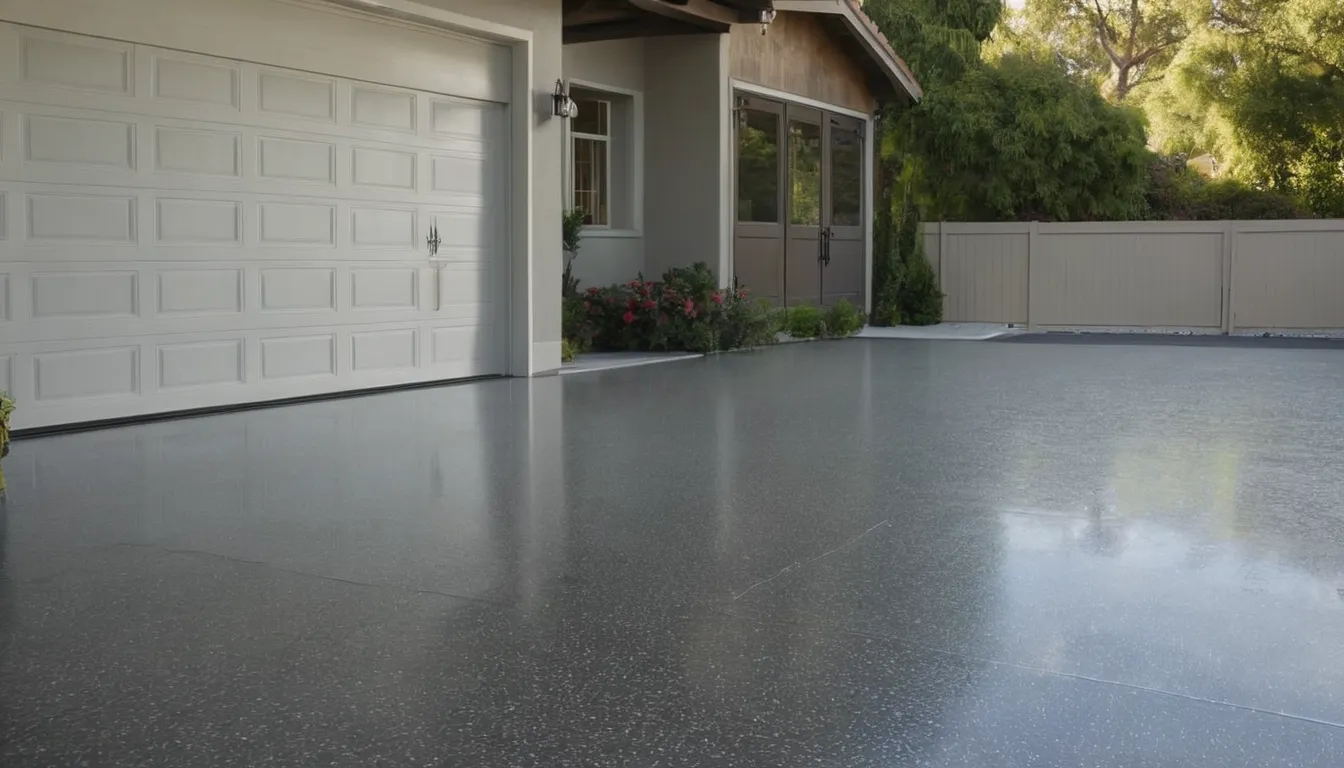
Polyaspartic floor coating is a tough, clear or colored layer for concrete. It cures fast. Many garages are ready for use in a day or two, depending on the job. It also holds its color in strong sun, which helps near open garage doors and patios.
Processingmore Floor Coating is a referral service. We do not do the work. We connect homeowners in Antioch and the Antioch area with independent providers in our network who do. Check the slab first. Small cracks first. If you see chalky dust, peeling spots or hairline cracks, act early. A provider can look at the concrete, explain what it needs, and give you a written quote before anything starts.
Check the slab before you book
Polyaspartic only works on a sound slab. So look first. Small cracks first. A hairline crack today can be a wide one after a wet winter.
Early signs worth acting on
- Hairline cracks near the door or along control joints
- A chalky surface that leaves powder on your shoes
- Peeling or bubbling spots from an old coating
- Oil stains that keep coming back
- Damp patches after winter rain events
Each one is easy to handle now. Each one costs more later. A provider in our network can check the slab and tell you what it needs.
Need your garage back quickly?
Polyaspartic cures fast. That is its main draw. Many installs finish in one to two days, though it depends on the slab and the system. Epoxy often needs more days before cars can return. Ask the provider for a timeline in writing.
How polyaspartic differs from epoxy
Epoxy is thick and slow to cure. Polyaspartic is thinner and quick. It also stands up to UV light, so it keeps its color in the sun. Epoxy can yellow near open doors.
The tradeoff is price. Polyaspartic usually costs more per square foot. Epoxy garage floors still suit many budgets and many slabs. Ask the provider which one fits yours.
Full polyaspartic or hybrid system?
A full system uses polyaspartic in every layer. A hybrid uses epoxy as the base and a polyaspartic topcoat. Hybrid costs less. It still gives you sun and scratch resistance.
Full systems suit tight schedules and sunny garages. Hybrids suit most other homes. A good provider explains the choice and shows the layers.
Request a callback to check provider availability in your area.
The installation process
The steps are simple. The order matters.
- Grind the slab to open the pores
- Fill cracks and chips
- Roll on the base coat
- Broadcast flakes, if you want them
- Seal with a clear polyaspartic topcoat
- Let it cure before traffic
Prep is the job
Coatings fail from the bottom. Weak prep means peeling later. Ask if the provider grinds with a diamond grinder and tests the slab for moisture. Acid etching alone is not enough for most floors.
Where polyaspartic works well
Garages are the big one. It also suits porches, patios, carports, workshops and entry slabs. Older bungalows and many tract homes from the 1950s to 1980s have slabs with patches and cracks. Those can be repaired before coating.
Some providers also handle indoor work, like hardwood flooring installation. Ask what the provider offers beyond concrete coating.
Weather and timing
Polyaspartic handles cool, damp air better than many coatings. Heat and wind speed up the cure, so providers adjust the mix.
Long dry seasons give plenty of open windows. After winter rain events, let the slab dry first. Trapped moisture causes bubbles. In wildfire smoke seasons, ash can settle on a wet coating. Providers may close the door, wait for clearer air, or pick another day.
Mild coastal temperatures make scheduling easy for most of the year.
Plan around life
A busy home needs a plan. Park on the street or driveway for a few days. Pick a start day that avoids school events and heavy work weeks. Keep kids and pets out of the garage until the floor is ready.
Ask two things. When can people walk on it? When can the car return? Get both answers before work starts.
Colors, flakes and custom floor finishes
Flake blends hide dirt and small flaws. Solid colors show everything. Light gray brightens a dim garage. Dark colors show dust fast.
Metallic and quartz looks are custom floor finishes. They cost more. Ask for a sample board. Look at it in daylight and under your garage lights. Ask about a grit additive for grip on wet days.
Caring for a polyaspartic floor
Care is easy. Sweep often. Damp mop with a mild cleaner. Wipe spills when you see them. Skip harsh acids and stiff wire brushes.
Lift heavy items instead of dragging them. Check the surface each season. Small chips are quick to touch up. Big ones are not.
Questions to ask the provider
- What system will you use, full or hybrid?
- How will you prepare and test the slab?
- How long until foot traffic and cars?
- What does the written quote include?
- What warranty comes with the work?
- How will you handle cracks and joints?
Good providers answer plainly. If the answers are vague, keep looking.
What's Included
Slab Check
The provider looks at cracks, moisture and old coatings before suggesting a system.
Grinding and Prep
Diamond grinding opens the concrete so the coating bonds well and lasts longer.
Crack and Joint Repair
Small cracks and chips are filled before coating so they do not telegraph through.
Color and Topcoat
Flakes, solid colors and a clear polyaspartic topcoat finish the floor.
Typical polyaspartic floor coating costs in the U.S.
Prices vary by slab condition, size, system and finish. These are typical U.S. ranges, not quotes. Ask for a written quote that lists prep, repairs, materials and any warranty.
| Item | Typical range | Notes |
|---|---|---|
| Full polyaspartic coating, per sq ft | $5 – $12 | Higher for flakes and thicker builds |
| Two-car garage (about 400 sq ft) | $2,800 – $6,000 | Depends on prep and finish |
| Hybrid epoxy base with polyaspartic top, per sq ft | $4 – $9 | Often a middle option |
| Crack and joint repair | $150 – $800 | More cracks add time and cost |
| Heavy grinding or old coating removal, per sq ft | $1 – $3 | Needed when old coating peels |
| Metallic or custom finish upgrade, per sq ft | $1 – $4 | Added on top of the base price |
How It Works
Check the Slab
Note cracks, chalky spots, peeling patches and damp areas. Take a few photos to share.
Request an Estimate
Tell us about your floor and schedule. We connect you with a provider in our network.
Review the Written Quote
Compare the system, prep, timeline and warranty with the provider.
Pick a Start Day
Choose a time that fits your household. Move cars and stored items out first.
Why Call Processingmore Floor Coating
Plain, Honest Referrals
Processingmore Floor Coating is a referral service. We link you with independent providers who do the work.
Early Help
Catch a hairline crack or chalky spot early, and the fix stays small.
Plan Around Life
Providers can often fit work around school runs, shifts and one parking spot.
Written Quotes
Request an estimate and compare clear, written details before you decide.
Other Services
Need polyaspartic floor coating in Antioch?
Cracked, dusty or peeling floor? Send a request through the form, or request a callback to check provider availability in Antioch.
No obligationPolyaspartic Floor Coating FAQ
How long does polyaspartic floor coating take to cure?
Many polyaspartic floors are ready for foot traffic in a few hours and for cars in a day or two. Timing depends on the slab, the weather and the system. Ask the provider for exact times in writing.
Is polyaspartic better than epoxy for a garage floor?
It depends. Polyaspartic cures faster and resists sun better, but costs more. Epoxy is thicker and often cheaper. A hybrid mixes both. A local provider can suggest what fits your slab.
Can polyaspartic go over cracked concrete?
Yes, after repair. The provider fills cracks and joints first, then grinds and coats the slab. Large or moving cracks may need more work. Check the slab early so small cracks stay small.
Reach a local provider
Cracked, dusty or peeling floor? Send a request through the form, or request a callback to check provider availability in Antioch.
No obligation